
Pollen, Fully Unlocked.
Pine pollen from high-mountain Masson pines, with over 99% of the tough cell walls cracked open so your body can use what's inside.
Pollen, Fully Unlocked.
Pine pollen from high-mountain Masson pines, with over 99% of the tough cell walls cracked open so your body can use what's inside.
NUTRITION AND VITALITY
Pine pollen packs a remarkable amount of nutrition into a fine golden powder. It's a complete protein with all the essential amino acids, and it brings vitamins, minerals, and antioxidants like superoxide dismutase, quercetin and resveratrol along with it.¹ ²
It's also one of the rare plant foods that naturally contains plant androgens, including small amounts of testosterone and DHEA.³ ⁴ That doesn't make it just for men. Women need these hormones too, only in smaller amounts, and pine pollen has traditionally been used by both.
OVER 99% CRACKED CELL WALL
Every spring, the male cones at the tips of pine branches release clouds of fine golden pollen that drift on the wind to reach the female cones. Each grain is built to survive that journey, with a hard outer wall that protects everything inside. That same wall keeps most of the nutrition locked away if you eat the pollen as is.
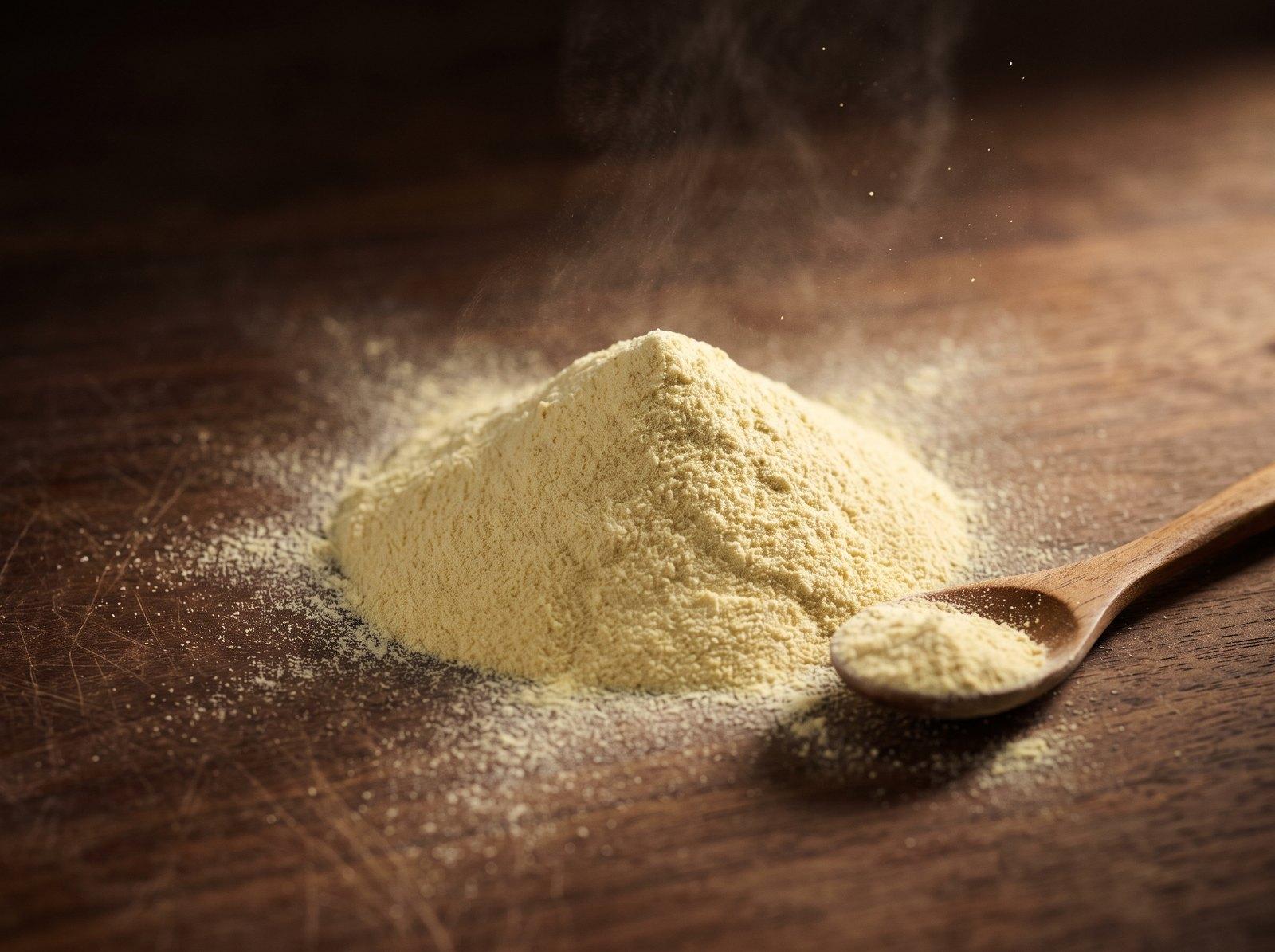
We crack the walls with a low-temperature, high-pressure process that opens over 99% of them without damaging what's inside, so your body can actually use it.¹ The result is a fine, pale yellow powder with a soft, slightly sweet taste.
NUTRIENT DENSE
A complete protein with all the essential amino acids, plus vitamins A, B, C and E, minerals like zinc and magnesium, and antioxidants such as superoxide dismutase, quercetin and resveratrol.¹ ²
2,000+ YEARS OF USE
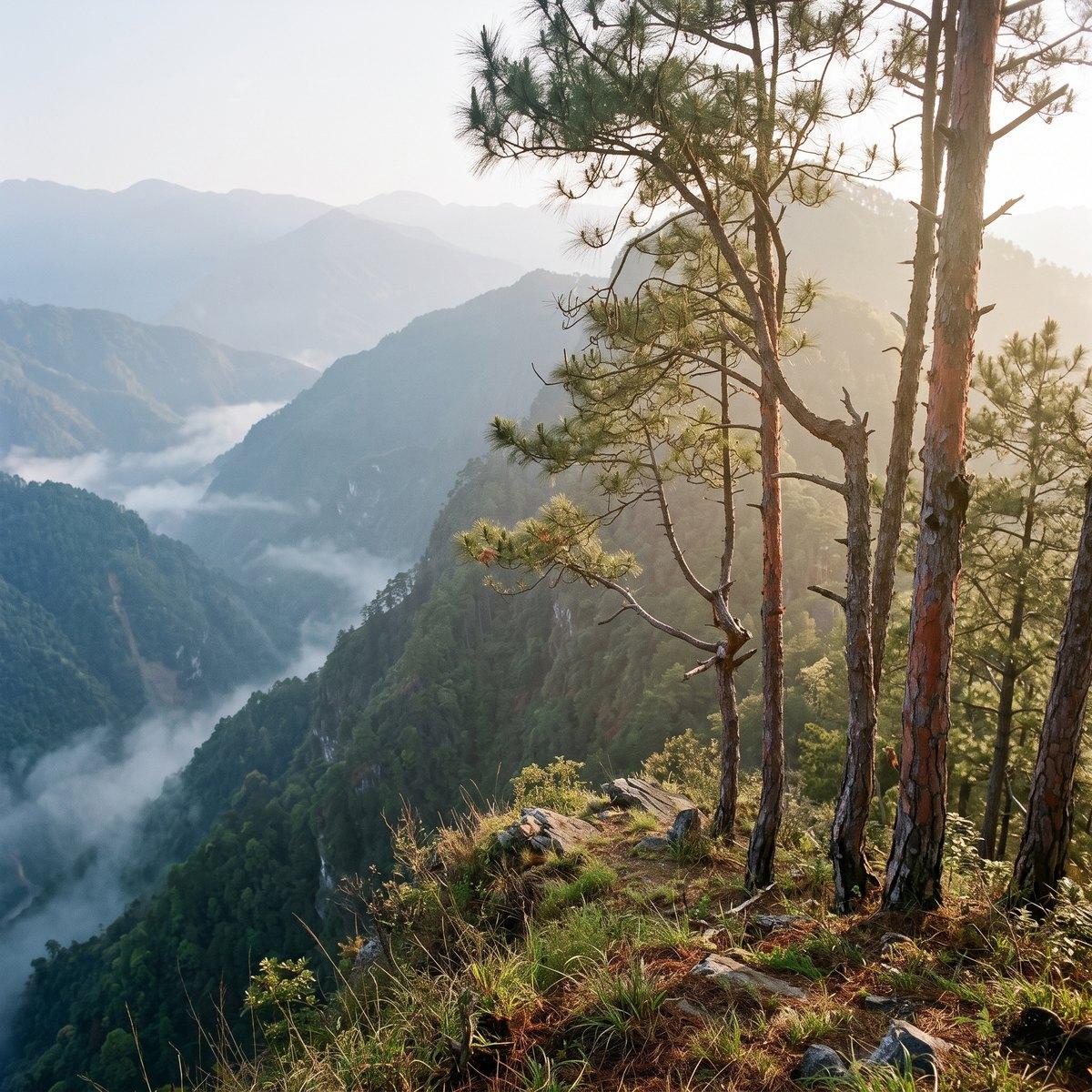
Pine pollen appears in Shen Nong's Materia Medica, written during the Han dynasty about 2,000 years ago, where it was said to nourish energy and support a long life. We source only from Masson pines growing above 3,500 feet, the same pine used in Chinese herbalism for millennia.
FOR MEN AND WOMEN
Pine pollen is one of the rare plant foods that naturally contains plant androgens like testosterone and DHEA.³ ⁴ Women need these too, just in smaller amounts, which is why it has always been used by both.
-
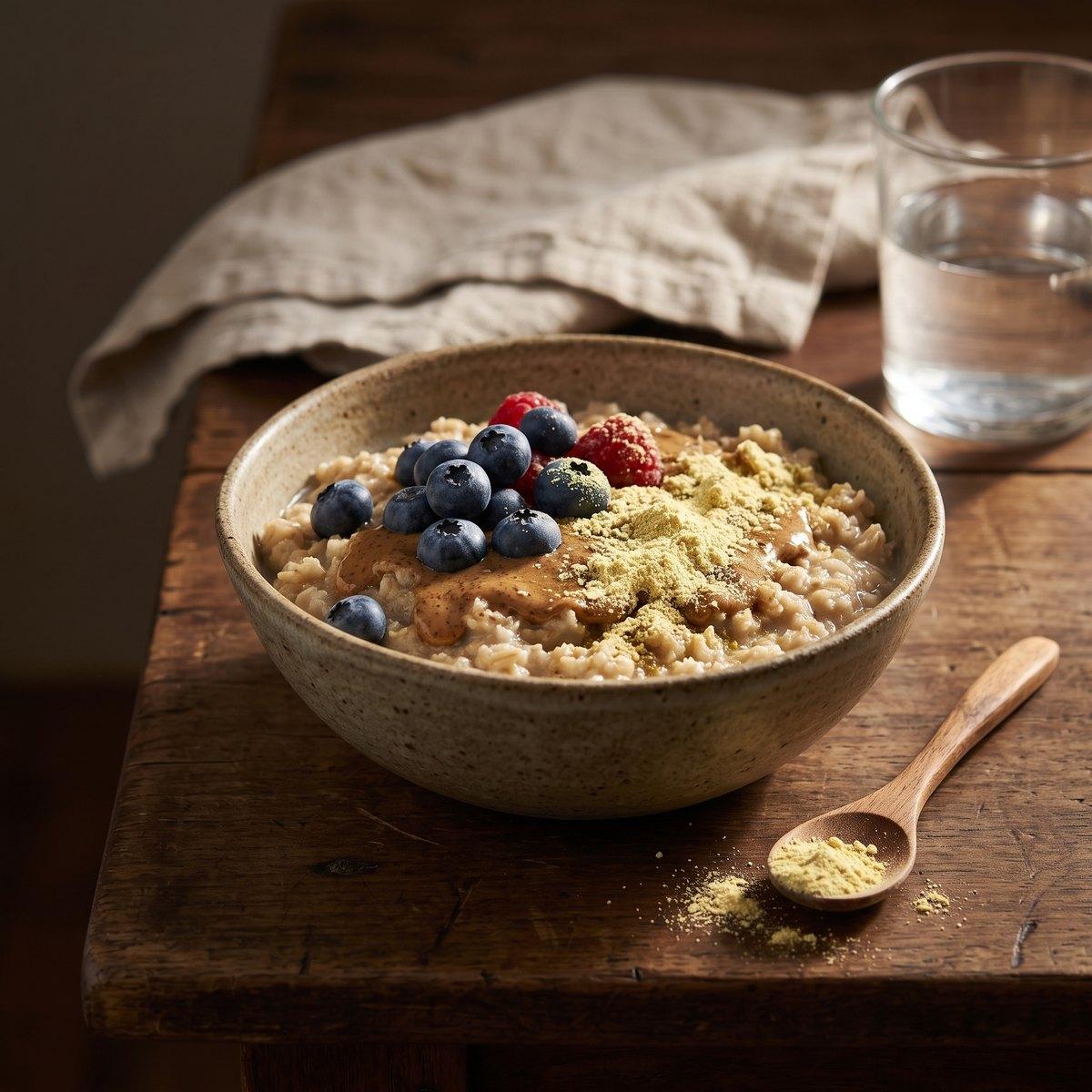
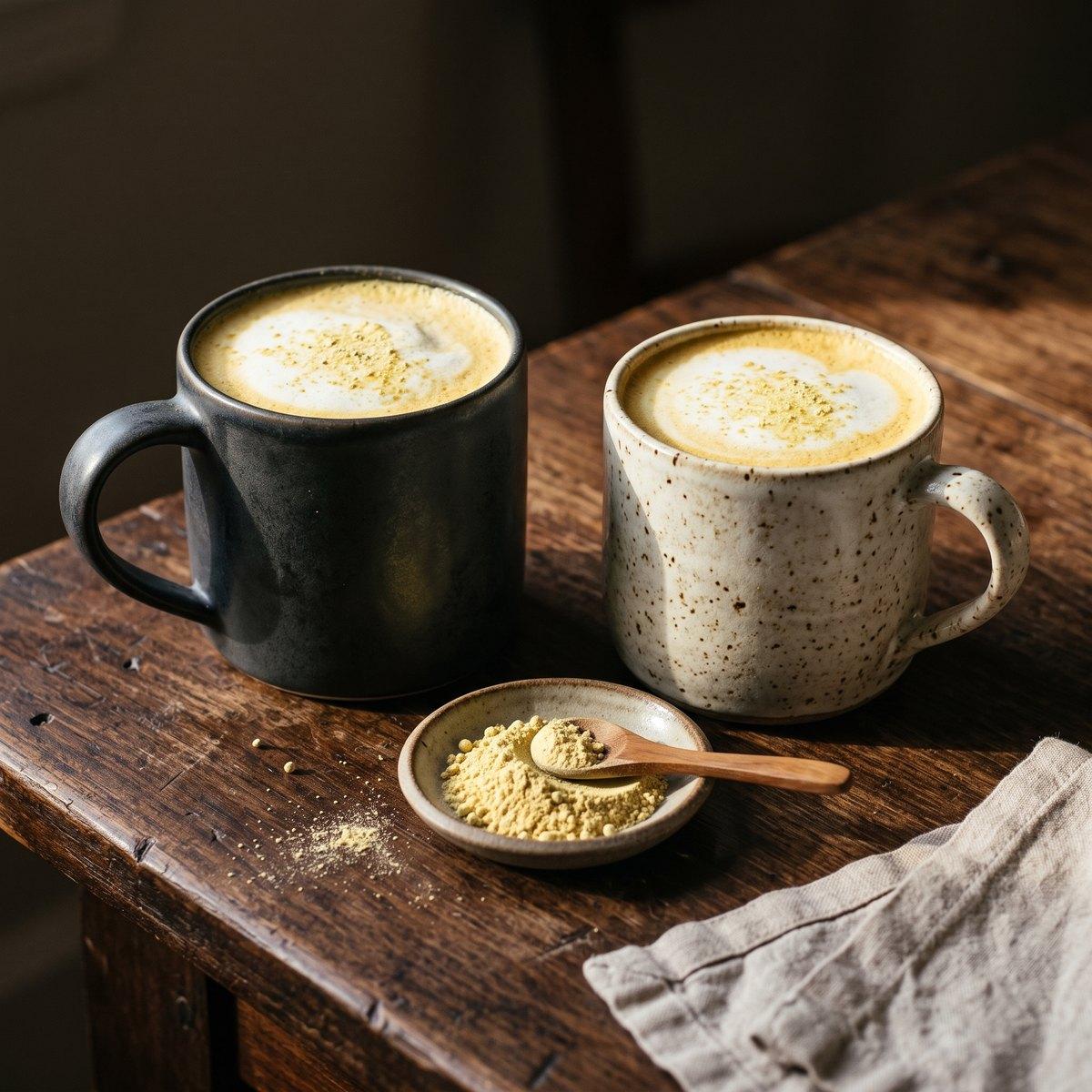
We recommend half a teaspoon, once or twice a day. Stir it into a smoothie, oatmeal, yogurt, or a warm drink.
-
Wang YM, Wang HJ, Zhang ZY. Analysis of pine pollen by using FTIR, SEM and energy-dispersive X-ray analysis. Guang Pu Xue Yu Guang Pu Fen Xi. 2005;25(11):1797-1800.
-
Lee KH, Kim AJ, Choi EM. Antioxidant and antiinflammatory activity of pine pollen extract in vitro. Phytother Res. 2009;23(1):41-48. doi:10.1002/ptr.2525
-
Saden-Krehula M, Tajić M, Kolbah D. Testosterone, epitestosterone and androstenedione in the pollen of Scotch pine P. silvestris L. Experientia. 1971;27(1):108-109. doi:10.1007/BF02137770
-
Saden-Krehula M, Tajić M. Vitamin D and its metabolites in the pollen of pine. Part 5: Steroid hormones in the pollen of pine species. Pharmazie. 1987;42(7). PMID: 3671475