
Everlasting Beauty.
Wildcrafted five flavor berry from its traditional home in northern China, the beauty tonic of Taoist herbalism.
Everlasting Beauty.
Wildcrafted five flavor berry from its traditional home in northern China, the beauty tonic of Taoist herbalism.
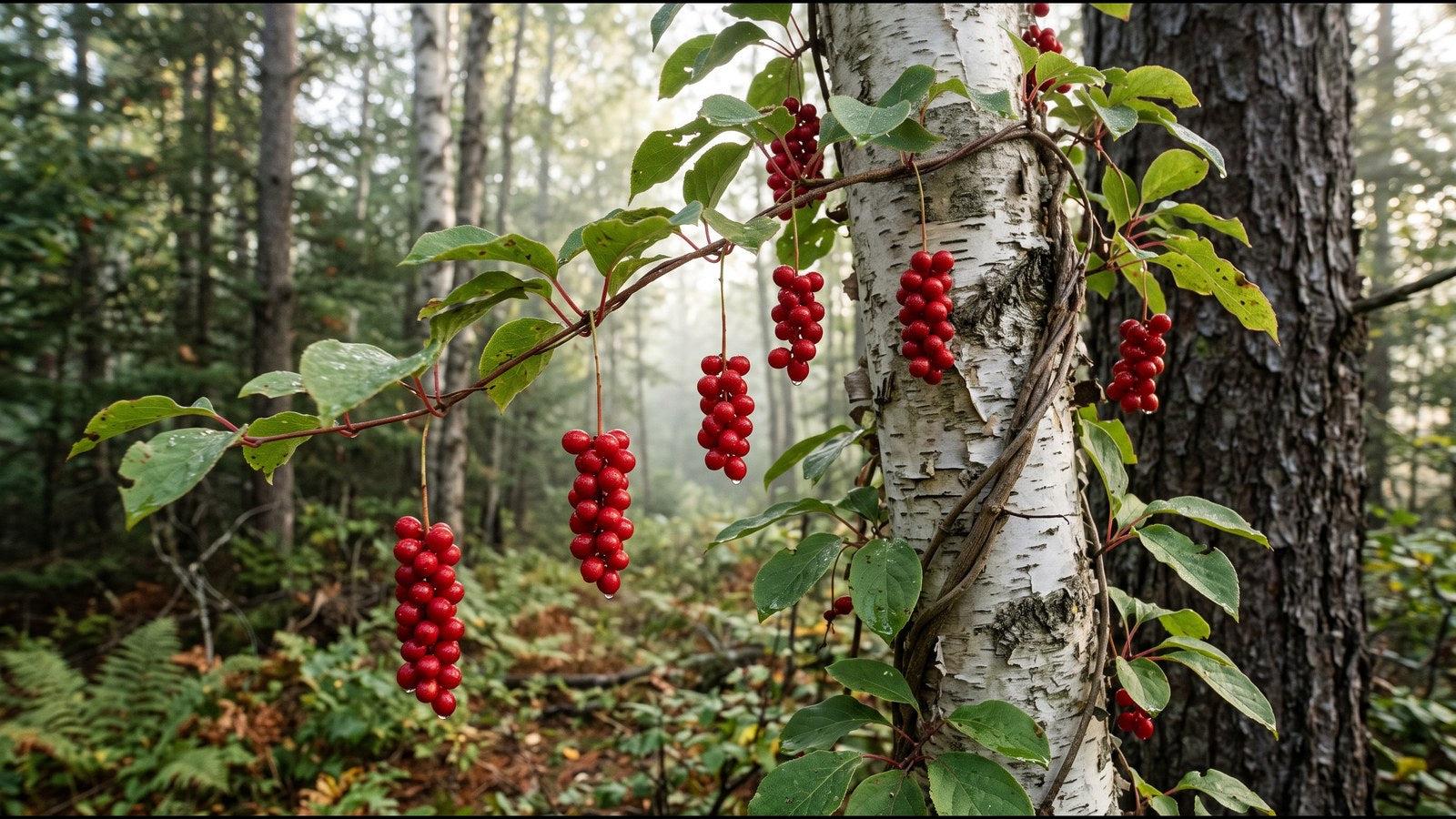
THE FIVE FLAVOR BERRY
In Chinese, schizandra is called wu wei zi, the five flavor berry. In Taoist tonic herbalism those five flavors were seen as a sign that it reaches the whole body, and it's one of the few herbs said to nourish all three treasures: Jing (deep vitality), Qi (everyday energy) and Shen (the spirit). Across Asia it's long been taken for beauty and as a tonic to ease fatigue.¹
Research has caught up with some of that reputation. In lab research, schisandrin B, one of the berry's natural compounds, helped protect skin cells from sun-related oxidative stress.² And in a 12-week placebo-controlled human study, women taking 1,000 mg of schizandra extract a day saw greater gains in leg strength than those taking a placebo.³
WILDCRAFTED AND DI TAO SOURCED
Di Tao is a traditional Chinese standard meaning an herb comes from the region where it has always grown best. Our schizandra is wildcrafted northern schizandra from its traditional home in China, then packaged here in the USA.
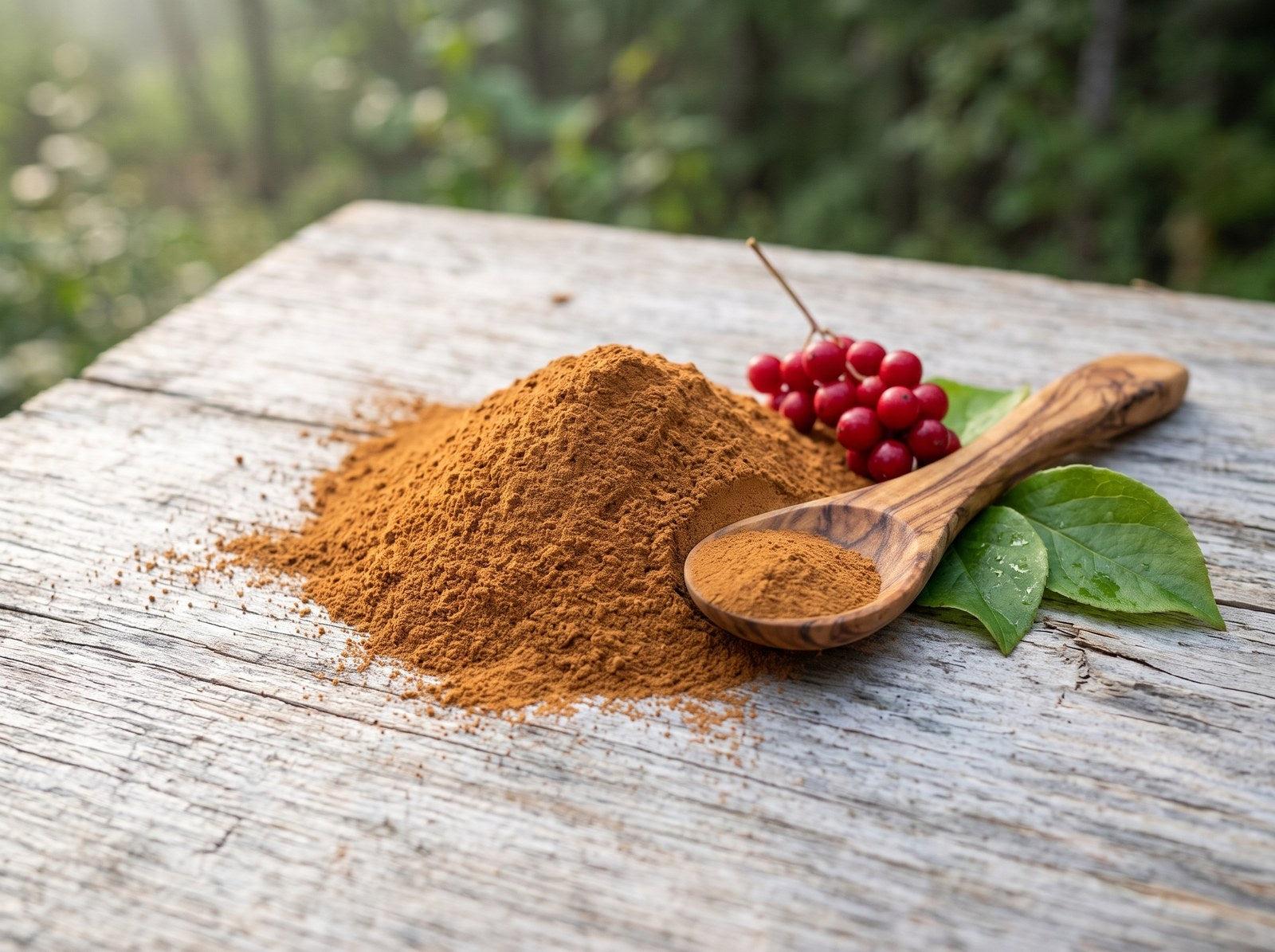
We use a concentrated berry extract, so every half teaspoon delivers more of the berry's lignans, the compounds behind its reputation. The result is a rust-orange powder that turns water a rosy amber.
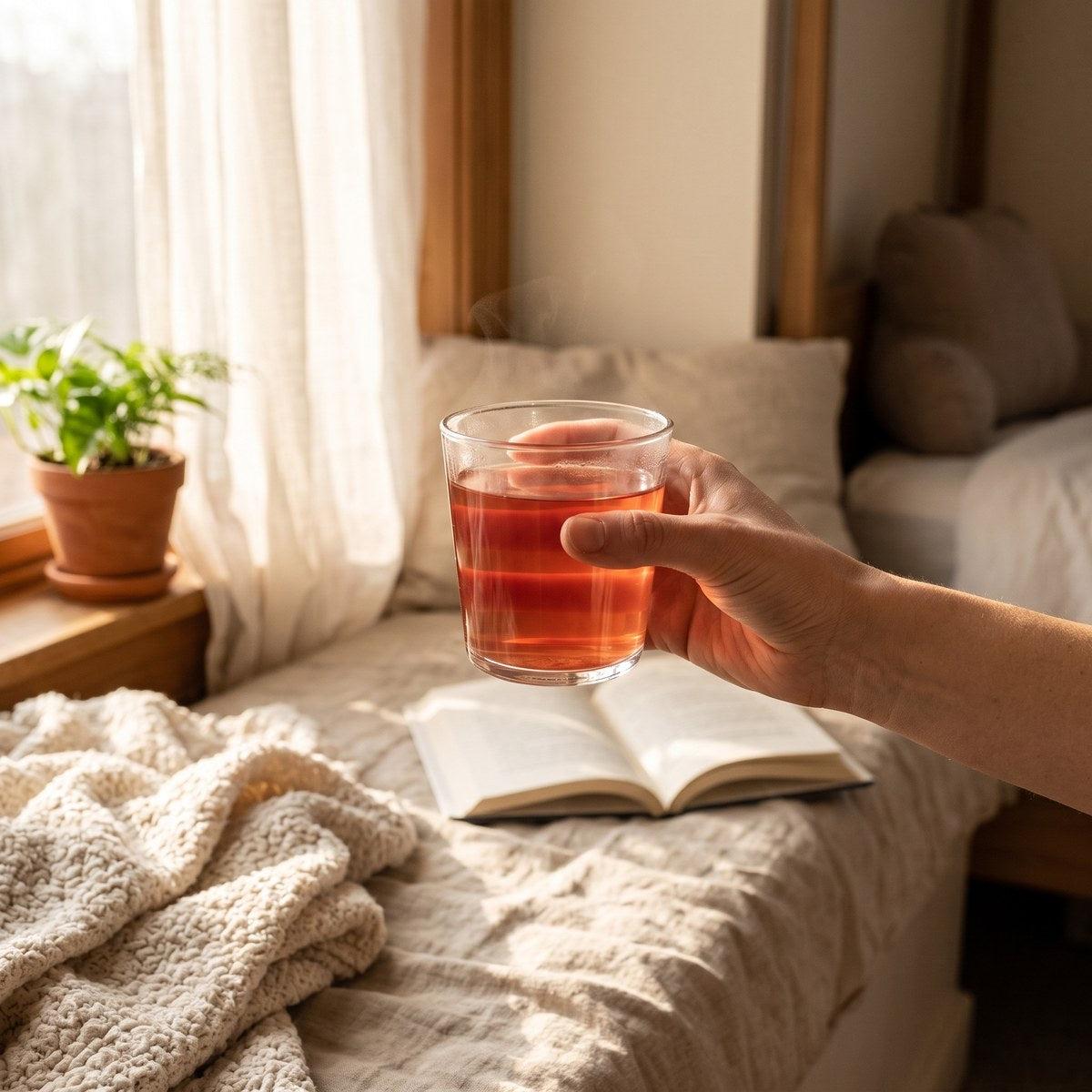
RADIANT SKIN
In lab research, schisandrin B, a natural compound in schizandra, helped protect skin cells from sun-related oxidative stress.²
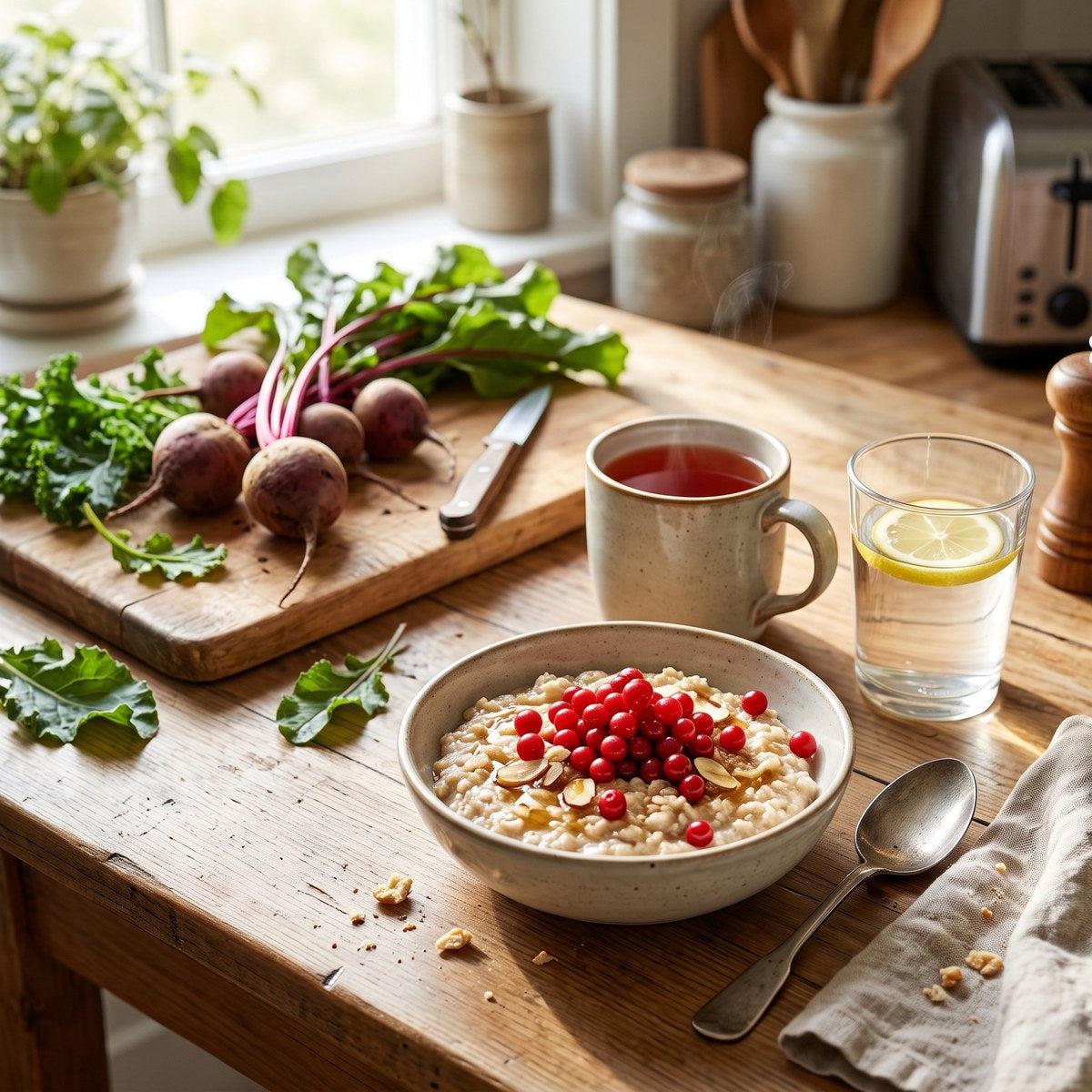
LIVER SUPPORT
Supporting the liver is schizandra's best known benefit in lab and animal research, where its lignans helped protect liver cells.¹
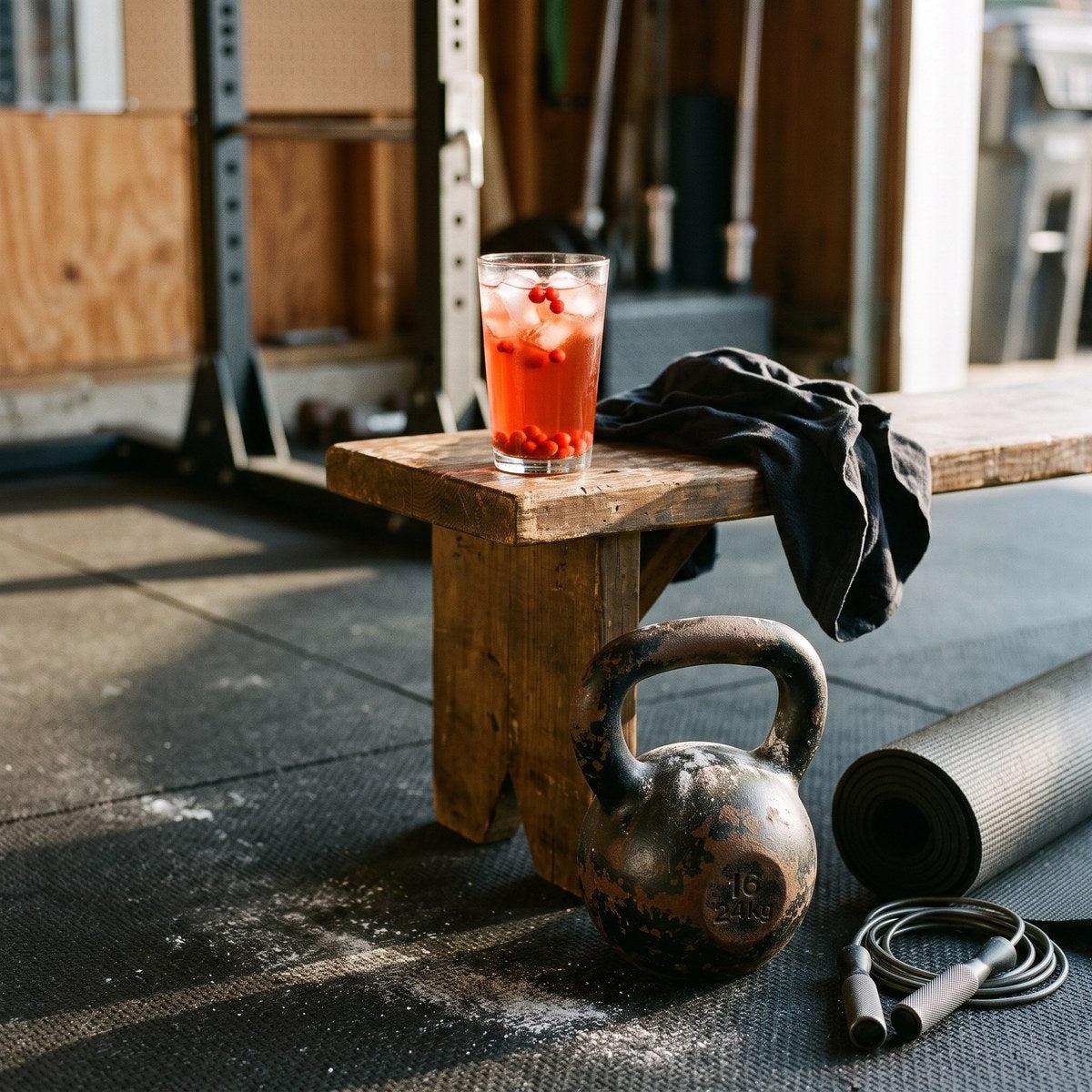
STRENGTH & STAMINA
In a 12-week placebo-controlled human study, women taking schizandra extract daily saw greater gains in leg strength.³
Frequently Asked Questions
-
Half a teaspoon (about 1,000 mg) a day is a good place to start. That's about the same daily amount used in the 12-week human study on strength.³
-
Szopa A, Ekiert R, Ekiert H. Current knowledge of Schisandra chinensis (Turcz.) Baill. (Chinese magnolia vine) as a medicinal plant species: a review on the bioactive components, pharmacological properties, analytical and biotechnological studies. Phytochem Rev. 2017;16:195-218. doi:10.1007/s11101-016-9470-4
-
Chiu PY, Lam PY, Yan CW, Ko KM. Schisandrin B protects against solar irradiation-induced oxidative injury in BJ human fibroblasts. Fitoterapia. 2011;82(4):682-691. doi:10.1016/j.fitote.2011.02.010
-
Park J, Han S, Park H. Effect of Schisandra chinensis Extract Supplementation on Quadriceps Muscle Strength and Fatigue in Adult Women: A Randomized, Double-Blind, Placebo-Controlled Trial. Int J Environ Res Public Health. 2020;17(7):2475. doi:10.3390/ijerph17072475
-
Park JY, Kim KH. A randomized, double-blind, placebo-controlled trial of Schisandra chinensis for menopausal symptoms. Climacteric. 2016;19(6):574-580. PMID: 27763802